Brain Aneurysm Repair (Clipping or Coiling)
Care Before the Procedure
- Detailed evaluation: Imaging tests such as CT angiography, MRI/MRA, or cerebral angiography are performed to precisely map the aneurysm.
- Medical assessment: Your doctor will review your medical history, medications, blood pressure control, and overall fitness for surgery.
- Medication adjustments: Blood thinners may need to be stopped, and blood pressure must be carefully controlled before the procedure.
- Patient counseling: The neurosurgical team will explain the procedure options, risks, benefits, and expected recovery, and obtain informed consent.
Care During the Procedure
- Anesthesia: Both clipping and coiling are performed under general anesthesia to ensure comfort and safety.
- Surgical clipping: A small opening in the skull (craniotomy) is made, and a tiny metal clip is placed across the neck of the aneurysm to stop blood flow into it.
- Endovascular coiling: A catheter is guided through a blood vessel (usually from the groin) to the brain, and soft platinum coils are placed inside the aneurysm to seal it off.
- Monitoring: Advanced imaging and neurological monitoring are used throughout the procedure to protect brain function and ensure precision.
Care After the Procedure
- Hospital monitoring: Patients are closely observed in the ICU initially, especially after a ruptured aneurysm, to monitor neurological status and blood pressure.
- Recovery timeline:
- Clipping: Hospital stay is usually 5–10 days, with gradual recovery over 4–8 weeks.
- Coiling: Hospital stay is typically 1–2 days, with return to light activities within a few days.
- Activity and rehabilitation: Physical, occupational, or speech therapy may be recommended if neurological symptoms are present. Heavy lifting and strenuous activity should be avoided during early recovery.
- Follow-up care: Regular imaging studies are required to ensure the aneurysm remains sealed. Long-term blood pressure control and lifestyle changes, such as avoiding smoking, are essential.
Eligibility
- Patients diagnosed with a brain aneurysm at risk of rupture
- Individuals who have experienced a prior aneurysm rupture or bleeding
- People with symptoms caused by aneurysm pressure, like severe headaches or vision changes
- Patients medically fit for surgical or endovascular treatment
- Detailed evaluation: Imaging tests such as CT angiography, MRI/MRA, or cerebral angiography are performed to precisely map the aneurysm.
- Medical assessment: Your doctor will review your medical history, medications, blood pressure control, and overall fitness for surgery.
- Medication adjustments: Blood thinners may need to be stopped, and blood pressure must be carefully controlled before the procedure.
- Patient counseling: The neurosurgical team will explain the procedure options, risks, benefits, and expected recovery, and obtain informed consent.
Featured Specialities
Our Speciality Services
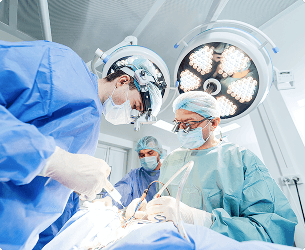
Neuro Surgery

Neuro Surgery
Our Neuro Surgery Department cares for complex conditions of the brain, spine and nervous system in both adults and children, combining advanced surgical skill with thoughtful, patient-first care. Our experienced neurosurgeons work closely with neurologists, intensivists, radiologists and rehabilitation teams to decide the best treatment path—whether surgical or non-surgical—based on what is safest and most effective for each patient. We manage brain tumours, stroke and trauma emergencies, spine disorders, vascular conditions such as aneurysms and AVMs, epilepsy and nerve pain, using modern techniques including minimally invasive and endoscopic surgery to support faster recovery.


More from KIMSHEALTH