Breast Exam
Care Before the Procedure
- Avoid applying lotions or powders on breasts prior to the examination.
- Wear comfortable clothing for easy access during clinical assessment.
- Inform the clinician of any breast symptoms or changes noticed.
- Avoid scheduling during menstruation if breasts are tender or swollen.
Care During the Procedure
- Relax and communicate any discomfort experienced during palpation.
- Allow the clinician to examine both breasts and axillary regions.
- Follow instructions for positioning and raising arms for proper assessment.
- Ask questions about any abnormalities or findings observed during the exam.
Care After the Procedure
- Note any unusual findings and follow up with your doctor promptly.
- Practice self-breast examination regularly for ongoing monitoring.
- Schedule recommended imaging if the clinician suggests mammogram or ultrasound.
- Maintain breast health awareness and report changes without delay.
Eligibility
- Women aged 40 years and above, or earlier with family history of breast cancer, for routine screening.
- Individuals experiencing breast pain, lumps, nipple discharge, or swelling requiring clinical evaluation and diagnosis.
- Patients with previous breast abnormalities or surgeries needing follow-up assessments.
- People with genetic predisposition, such as BRCA mutations, increasing risk of breast malignancy.
- Avoid applying lotions or powders on breasts prior to the examination.
- Wear comfortable clothing for easy access during clinical assessment.
- Inform the clinician of any breast symptoms or changes noticed.
- Avoid scheduling during menstruation if breasts are tender or swollen.
Featured Specialities
Our Speciality Services
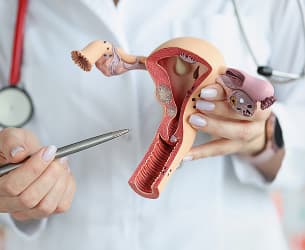
Obstetrics & Gynecology

Our Department of Obstetrics & Gynaecology offers comprehensive, patient-centred care for women at every stage of life, from routine gynaecology to complex high-risk pregnancies. Consultant-led services are available 24/7, supported by extended OPD hours and a multidisciplinary team of obstetricians, gynaecologists, foetal-medicine specialists, anaesthetists and specialist nurses. Our facilities include modern birthing suites with continuous foetal monitoring, dedicated operating theatres for advanced and minimally invasive surgery, and 3D/4D imaging and colposcopy for precise diagnostics. We provide a full spectrum of care—labour and delivery (vaginal and caesarean), fertility and assisted-reproduction services (IVF/ICSI), laparoscopic and hysteroscopic procedures, gynaecologic oncology and comprehensive postnatal support—coordinated with neonatal and critical-care teams as needed.


More from KIMSHEALTH