Endoscopic Brain Surgery
Care Before the Procedure
- Comprehensive evaluation: Imaging tests such as MRI or CT scans are performed to locate the problem and plan the safest surgical approach.
- Specialist assessments: Hormone tests, vision checks, and neurological evaluations may be required, especially for pituitary-related conditions.
- Medication preparation: Blood thinners and certain medications may need to be stopped or adjusted as advised by the surgical team.
- Preoperative counseling: The surgeon explains the procedure, benefits, possible risks, and recovery expectations, and obtains informed consent.
Care During the Procedure
- Anesthesia and monitoring: The procedure is performed under general anesthesia with continuous monitoring of vital and neurological functions.
- Minimally invasive access: The endoscope is introduced through the nostrils (endonasal approach) or a small skull opening, avoiding large incisions.
- Precision treatment: High-definition visualization allows the surgeon to remove tumors, relieve fluid blockages, or repair defects with minimal disruption to healthy tissue.
- Secure closure: Any surgical openings are carefully sealed, often using grafts, to prevent CSF leaks and ensure proper healing.
Care After the Procedure
- Hospital recovery: Most patients stay in the hospital for 1–3 days for monitoring of neurological function and early recovery.
- Symptom management: Mild headache, nasal congestion, or fatigue are common and usually improve within days to weeks.
- Activity precautions: Patients should avoid heavy lifting, straining, bending forward, or forceful nose blowing for several weeks.
- Follow-up care: Regular follow-up visits, imaging studies, and hormone monitoring (if needed) help ensure proper healing and long-term success.
Eligibility
- Patients with tumors, cysts, or lesions accessible via a minimally invasive approach
- Individuals with hydrocephalus needing ventriculostomy or cyst drainage
- People with pituitary or skull base tumors suitable for endoscopic removal
- Patients who are medically stable for surgery under anesthesia
- Comprehensive evaluation: Imaging tests such as MRI or CT scans are performed to locate the problem and plan the safest surgical approach.
- Specialist assessments: Hormone tests, vision checks, and neurological evaluations may be required, especially for pituitary-related conditions.
- Medication preparation: Blood thinners and certain medications may need to be stopped or adjusted as advised by the surgical team.
- Preoperative counseling: The surgeon explains the procedure, benefits, possible risks, and recovery expectations, and obtains informed consent.
Featured Specialities
Our Speciality Services
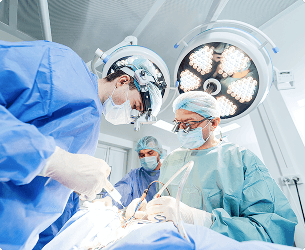
Neuro Surgery

Neuro Surgery
Our Neuro Surgery Department cares for complex conditions of the brain, spine and nervous system in both adults and children, combining advanced surgical skill with thoughtful, patient-first care. Our experienced neurosurgeons work closely with neurologists, intensivists, radiologists and rehabilitation teams to decide the best treatment path—whether surgical or non-surgical—based on what is safest and most effective for each patient. We manage brain tumours, stroke and trauma emergencies, spine disorders, vascular conditions such as aneurysms and AVMs, epilepsy and nerve pain, using modern techniques including minimally invasive and endoscopic surgery to support faster recovery.


More from KIMSHEALTH