Frozen Shoulder Management
Care Before the Procedure
- Inform your doctor about medications and allergies prior to treatment.
- Avoid heavy use of the affected shoulder before therapy or procedure.
- Follow fasting instructions if sedation or anesthesia is planned.
- Arrange transportation if the procedure requires anesthesia or clinic-based intervention.
Care During the Procedure
- Physiotherapy, injections, or manipulation under anesthesia are performed safely and carefully.
- Arthroscopic release conducted with sterile technique to minimize infection risk.
- Monitor shoulder function and patient comfort throughout the procedure.
- Protect surrounding nerves and tissues during surgical or manipulative interventions.
Care After the Procedure
- Begin aggressive physiotherapy immediately to maintain shoulder range of motion.
- Apply ice or prescribed pain relief as advised to reduce discomfort.
- Monitor for swelling, redness, or unusual pain at the treatment site.
- Gradually resume daily activities as strength and mobility improve over time.
Eligibility
- Patients with severe shoulder pain and stiffness affecting daily activities.
- Individuals whose shoulder motion does not improve with conservative physiotherapy or medications.
- People requiring corticosteroid injections, manipulation, or arthroscopic release for functional restoration.
- Patients with adhesive capsulitis confirmed clinically or via imaging, needing active intervention.
- Inform your doctor about medications and allergies prior to treatment.
- Avoid heavy use of the affected shoulder before therapy or procedure.
- Follow fasting instructions if sedation or anesthesia is planned.
- Arrange transportation if the procedure requires anesthesia or clinic-based intervention.
Featured Specialities
Our Speciality Services
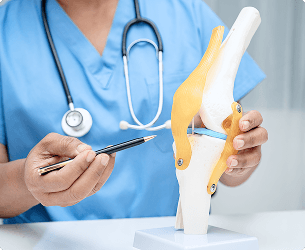
Orthopedics

KIMSHEALTH’s Department of Orthopaedic Surgery offers internationally recognised, multidisciplinary care for all musculoskeletal problems. Using minimally invasive techniques ranging from endoscopic spine surgery to robotic joint replacement, our surgeons develop a treatment plan customised for each patient by working closely with anaesthesia, rehabilitation, and other specialists. We manage complex trauma and fractures with a dedicated 24/7 trauma ICU, provide limb reconstruction (including Ilizarov techniques) and perform microsurgical reimplantation for severe limb injuries. We cover arthroscopy and sports-injury care, hand and microvascular surgery, paediatric orthopaedics and scoliosis correction, plus specialist clinics for back pain, osteoporosis and arthritis.


More from KIMSHEALTH