Laminectomy
Care Before the Procedure
- Comprehensive evaluation: Physical and neurological exams, along with imaging studies (MRI, CT, X-rays) to locate the area of compression.
- Medication preparation: Blood-thinning medications may need to be paused as instructed by the surgical team.
- Preoperative planning: Discuss surgical goals, potential risks (infection, nerve injury, blood clots), and expected recovery.
- Support arrangements: Arrange help at home post-surgery and consider pre-surgical physical therapy to strengthen supporting muscles.
Care During the Procedure
- Anesthesia: The procedure is performed under general anesthesia with continuous monitoring.
- Surgical access: The patient lies face down, and a small incision is made over the affected spinal segment.
- Decompression: The lamina and any additional sources of nerve compression (bone spurs, thickened ligaments, disc material) are removed.
- Closure: The incision is closed with sutures or staples; in some cases, minimally invasive techniques may be used to reduce tissue damage.
Care After the Procedure
- Hospital recovery: Monitor for complications, manage pain with medications, and encourage early walking to promote circulation.
- Activity precautions: Avoid bending, twisting, or lifting heavy objects for 4–6 weeks.
- Incision care: Keep the surgical site clean and dry, and watch for signs of infection.
- Rehabilitation and follow-up: Begin guided physical therapy to strengthen the back and core, gradually return to normal activities over 3–6 months, and attend follow-up appointments to monitor recovery and neurological improvement.
Eligibility
- Patients with spinal stenosis causing nerve compression and pain
- Individuals with herniated discs or bone spurs pressing on spinal nerves
- People whose symptoms haven’t improved with medication or physical therapy
- Patients needing surgical relief to restore mobility or reduce pain
- Comprehensive evaluation: Physical and neurological exams, along with imaging studies (MRI, CT, X-rays) to locate the area of compression.
- Medication preparation: Blood-thinning medications may need to be paused as instructed by the surgical team.
- Preoperative planning: Discuss surgical goals, potential risks (infection, nerve injury, blood clots), and expected recovery.
- Support arrangements: Arrange help at home post-surgery and consider pre-surgical physical therapy to strengthen supporting muscles.
Featured Specialities
Our Speciality Services
Neuro Surgery

Neuro Surgery
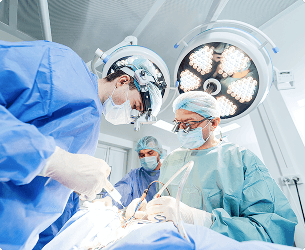
Our Neuro Surgery Department cares for complex conditions of the brain, spine and nervous system in both adults and children, combining advanced surgical skill with thoughtful, patient-first care. Our experienced neurosurgeons work closely with neurologists, intensivists, radiologists and rehabilitation teams to decide the best treatment path—whether surgical or non-surgical—based on what is safest and most effective for each patient. We manage brain tumours, stroke and trauma emergencies, spine disorders, vascular conditions such as aneurysms and AVMs, epilepsy and nerve pain, using modern techniques including minimally invasive and endoscopic surgery to support faster recovery.


More from KIMSHEALTH