Ovulation Induction
Care Before the Procedure
- Complete hormonal blood tests including FSH, LH, and estradiol levels.
- Discuss medical history, fertility issues, and prior treatments with doctor.
- Avoid alcohol, smoking, and medications that affect ovulation cycles.
- Schedule baseline ultrasound for ovarian and follicle assessment.
Care During the Procedure
- Take prescribed ovulation-inducing medications exactly as directed daily.
- Attend regular ultrasounds to monitor follicle growth and development.
- Report side effects such as abdominal pain or bloating promptly.
- Maintain communication with doctor regarding menstrual cycle changes.
Care After the Procedure
- Monitor for signs of ovarian hyperstimulation such as swelling or pain.
- Follow recommended timing for intercourse or intrauterine insemination (IUI).
- Track menstrual cycles and ovulation using charts or ovulation tests.
- Attend follow-up appointments for ultrasound and hormonal evaluation.
Eligibility
- Women with irregular or absent menstrual cycles struggling to conceive naturally requiring ovulation stimulation.
- Individuals with PCOS or other hormonal disorders affecting ovulation needing medical intervention.
- Couples with unexplained infertility where ovulation induction may improve chances of conception.
- Women preparing for intrauterine insemination (IUI) or timed intercourse to enhance fertility outcomes.
- Complete hormonal blood tests including FSH, LH, and estradiol levels.
- Discuss medical history, fertility issues, and prior treatments with doctor.
- Avoid alcohol, smoking, and medications that affect ovulation cycles.
- Schedule baseline ultrasound for ovarian and follicle assessment.
Featured Specialities
Our Speciality Services
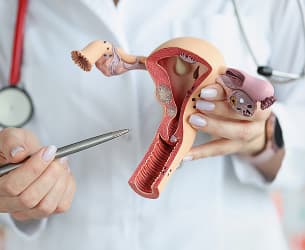
Obstetrics & Gynecology

Our Department of Obstetrics & Gynaecology offers comprehensive, patient-centred care for women at every stage of life, from routine gynaecology to complex high-risk pregnancies. Consultant-led services are available 24/7, supported by extended OPD hours and a multidisciplinary team of obstetricians, gynaecologists, foetal-medicine specialists, anaesthetists and specialist nurses. Our facilities include modern birthing suites with continuous foetal monitoring, dedicated operating theatres for advanced and minimally invasive surgery, and 3D/4D imaging and colposcopy for precise diagnostics. We provide a full spectrum of care—labour and delivery (vaginal and caesarean), fertility and assisted-reproduction services (IVF/ICSI), laparoscopic and hysteroscopic procedures, gynaecologic oncology and comprehensive postnatal support—coordinated with neonatal and critical-care teams as needed.


More from KIMSHEALTH