Skull Base Surgery
Care Before the Procedure
- Comprehensive Imaging: High-resolution MRI or CT scans, and sometimes angiography, to map the lesion and plan the surgical approach.
- Specialist Evaluations: Vision, hearing, and cranial nerve assessments; endocrinology evaluation for pituitary tumors if needed.
- Preoperative Planning: Multidisciplinary team review (tumor board) to decide on the safest approach.
- Patient Preparation: Discuss risks (e.g., nerve injury, CSF leak), stop certain medications like blood thinners, and optimize nutrition and general health.
Care During the Procedure
- Advanced Navigation: Use of neuronavigation and high-definition endoscopes for precise access.
- Intraoperative Monitoring: Continuous tracking of nerve function to prevent damage.
- Collaborative Surgery: Neurosurgery and ENT teams work together for optimal access and resection.
- Lesion Removal & Reconstruction: Tumor/lesion is carefully removed; skull base reconstruction prevents CSF leaks and protects surrounding structures.
Care After the Procedure
- ICU Monitoring: Patients spend several days in ICU for neurological checks and vital sign monitoring.
- Symptom Management: Pain, swelling, headaches, or nasal discomfort are treated with medications as needed.
- Rehabilitation: Physical therapy, occupational therapy, speech therapy, and vision/hearing rehabilitation may be required.
- Follow-Up & Long-Term Care: Regular MRI scans, endocrinology monitoring, and additional treatments such as radiation therapy for malignant tumors; psychological support and follow-up for functional recovery.
Eligibility
- Patients with tumors or lesions at the base of the skull
- Individuals with vascular abnormalities like aneurysms or AVMs in this area
- People with neurological symptoms affecting cranial nerves or brain function
- Patients medically fit for complex skull base surgery
- Comprehensive Imaging: High-resolution MRI or CT scans, and sometimes angiography, to map the lesion and plan the surgical approach.
- Specialist Evaluations: Vision, hearing, and cranial nerve assessments; endocrinology evaluation for pituitary tumors if needed.
- Preoperative Planning: Multidisciplinary team review (tumor board) to decide on the safest approach.
- Patient Preparation: Discuss risks (e.g., nerve injury, CSF leak), stop certain medications like blood thinners, and optimize nutrition and general health.
Featured Specialities
Our Speciality Services
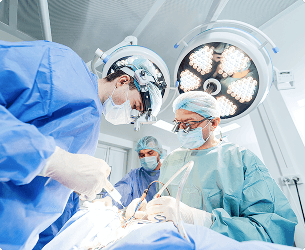
Neuro Surgery

Neuro Surgery
Our Neuro Surgery Department cares for complex conditions of the brain, spine and nervous system in both adults and children, combining advanced surgical skill with thoughtful, patient-first care. Our experienced neurosurgeons work closely with neurologists, intensivists, radiologists and rehabilitation teams to decide the best treatment path—whether surgical or non-surgical—based on what is safest and most effective for each patient. We manage brain tumours, stroke and trauma emergencies, spine disorders, vascular conditions such as aneurysms and AVMs, epilepsy and nerve pain, using modern techniques including minimally invasive and endoscopic surgery to support faster recovery.


More from KIMSHEALTH