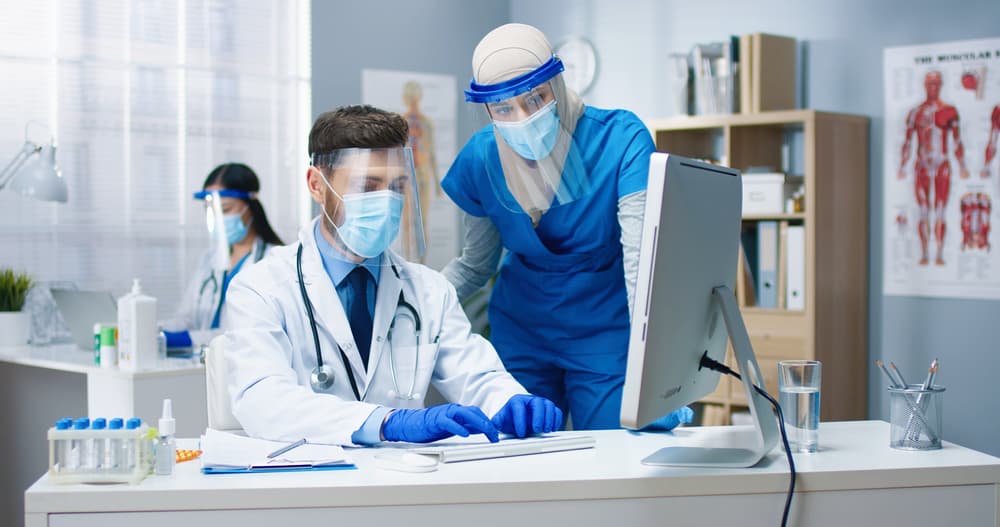
Reconstructive Surgery
Known Symptoms
- Physical signs:
- Tissue loss, deformity, or asymmetry.
- Restricted range of motion (e.g., due to scar contractures).
- Exposed structures (bone, nerves, vessels).
- Functional deficits:
- Difficulty eating/speaking (e.g., post-oral cancer surgery).
- Impaired limb function or sensation.
- Psychosocial impact: Reduced quality of life, self-esteem issues.
Known Causes
- Congenital anomalies such as cleft lip/palate, craniofacial syndromes, and hand deformities (e.g. syndactyly).
- Acquired defects: Trauma (e.g., fractures, soft tissue loss, burns). Oncologic resection (e.g., mastectomy, head and neck cancer excision). Infection (e.g., necrotizing fasciitis requiring debridement).
- Functional impairments: Scar contractures limiting movement. Nerve injuries requiring repair or grafting.
Care
- Prevention:
- Meticulous surgical planning and technique.
- Optimization of patient factors (nutrition, smoking cessation).
- Follow-up:
- Short-term: Monitoring for vascular compromise, wound healing, and infection.
- Long-term: Functional assessments (e.g., range of motion, sensation).
- Revisions: Additional procedures may be needed for refinements.
- Psychosocial support: Counseling for body image adjustment.
- Note: Reconstructive surgery prioritizes function but also addresses aesthetics. Advances like perforator flaps and nerve allografts have improved outcomes. Patient education and realistic expectations are crucial for success.
- Physical signs:
- Tissue loss, deformity, or asymmetry.
- Restricted range of motion (e.g., due to scar contractures).
- Exposed structures (bone, nerves, vessels).
- Functional deficits:
- Difficulty eating/speaking (e.g., post-oral cancer surgery).
- Impaired limb function or sensation.
- Psychosocial impact: Reduced quality of life, self-esteem issues.
Featured Specialities
Our Speciality Services
Plastic Surgery

Our Department of Plastic, Reconstructive & Microvascular Surgery offers comprehensive care for both functional and cosmetic needs, handling routine aesthetic procedures as well as complex reconstructions that other centres may refer to. Our surgeons are trained in microvascular “free tissue transfer” for head and neck reconstruction. We treat congenital differences, trauma and burns, cancer-related defects, hand conditions and complex vascular problems, and provide a full suite of cosmetic options from rhinoplasty and eyelid surgery to liposuction and non-surgical skin treatments. Supported by a craniofacial unit, dedicated burn services, lymphedema care and specialist operating theatres, the team works closely with oncologists, ENT, maxillofacial and rehabilitation specialists to plan each case.


More from KIMSHEALTH