Breast Reduction (Reduction Mammoplasty)
Care Before the Procedure
- Thorough preparation is key for safety and optimal healing.
- Consultation: A detailed discussion with the surgeon about goals, desired size, and incision patterns. The surgeon will evaluate breast size, shape, skin quality, and nipple position.
- Medical Evaluation: A review of medical history and any medications. Pre-operative mammograms may be recommended for patients over 40 or with a family history of breast cancer.
- Pre-operative Instructions:
- Stop smoking and avoid medications that can increase bleeding (e.g., aspirin, NSAIDs).
- Arrange for help at home for the first week, especially with lifting and chores.
- Fill prescriptions for pain medication and antibiotics beforehand.
- Preparing Your Recovery Space: Set up an area with extra pillows to keep your upper body elevated.
Care During the Procedure
- The surgery is performed in an accredited surgical facility.
- Anesthesia: Typically performed under general anesthesia.
- The Process: The surgeon makes the planned incisions, removes excess glandular tissue, fat, and skin, reshapes the breast, and repositions the nipple-areola complex. Drains may be placed to prevent fluid buildup.
- Duration: The procedure usually takes 2 to 4 hours, depending on the extent of reduction.
Care After the Procedure
- A dedicated recovery period is essential for healing and achieving the best results.
- Immediate Recovery (First 1-2 weeks):
- Dressings & Garments: You will have surgical dressings and will need to wear a specialized surgical bra or compression garment to minimize swelling and support the new breast shape.
- Drains: If placed, surgical drains are typically removed within a week.
- Pain & Sensation: Pain, swelling, and bruising are expected and managed with medication. Temporary loss of sensation in the nipples and breast skin is common.
- Activity: Rest is crucial. Avoid lifting anything over 5 pounds, bending over, or raising your arms above your shoulders. Sleep on your back.
- Mid-Term Recovery (Weeks 3-6):
- Most swelling and bruising will subside. You may transition to a soft support bra.
- You can gradually resume light activities and may return to a desk job after 2-3 weeks.
- Continue to avoid strenuous exercise and heavy lifting.
- Long-Term Recovery & Results:
- Scarring: Incision lines will be red and firm for several months, gradually fading over 1-2 years to become much less noticeable. Scar care management will be advised by your surgeon.
- Final Results: While a more proportionate shape is immediately apparent, the final settled shape and softness of the breasts can take 6 months to a year.
- Sensation: Feeling in the nipples and skin often returns gradually over several months, though some changes may be permanent.
- Breastfeeding: The ability to breastfeed may be preserved, but it cannot be guaranteed as milk ducts are often severed during the procedure. Discuss this with your surgeon if it is a concern.
- Mammograms: You can still have mammograms. Inform the technologist about your surgery history.
- Disclaimer: This information is for educational purposes only. Individual results vary. A consultation with a board-certified plastic surgeon is essential to determine if you are a candidate for breast reduction and to discuss the specific techniques, risks, and benefits based on your individual anatomy and goals.
Eligibility
- Good candidates for breast reduction are:
- Individuals with physical symptoms due to heavy breasts, including chronic back, neck, or shoulder pain; deep bra strap grooves; skin irritation or rashes under the breasts; numbness in fingers.
- Those who feel their breast size limits physical activity or causes postural problems.
- Individuals with realistic expectations about scarring, results, and the recovery process.
- Non-smokers in good general health, ideally at a stable weight.
- Women whose breasts are fully developed (typically late teens or older).
- Thorough preparation is key for safety and optimal healing.
- Consultation: A detailed discussion with the surgeon about goals, desired size, and incision patterns. The surgeon will evaluate breast size, shape, skin quality, and nipple position.
- Medical Evaluation: A review of medical history and any medications. Pre-operative mammograms may be recommended for patients over 40 or with a family history of breast cancer.
- Pre-operative Instructions:
- Stop smoking and avoid medications that can increase bleeding (e.g., aspirin, NSAIDs).
- Arrange for help at home for the first week, especially with lifting and chores.
- Fill prescriptions for pain medication and antibiotics beforehand.
- Preparing Your Recovery Space: Set up an area with extra pillows to keep your upper body elevated.
Featured Specialities
Our Speciality Services
Plastic Surgery

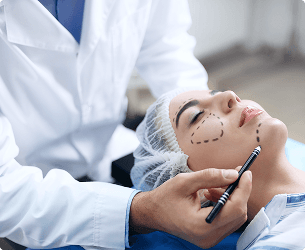
Our Department of Plastic, Reconstructive & Microvascular Surgery offers comprehensive care for both functional and cosmetic needs, handling routine aesthetic procedures as well as complex reconstructions that other centres may refer to. Our surgeons are trained in microvascular “free tissue transfer” for head and neck reconstruction. We treat congenital differences, trauma and burns, cancer-related defects, hand conditions and complex vascular problems, and provide a full suite of cosmetic options from rhinoplasty and eyelid surgery to liposuction and non-surgical skin treatments. Supported by a craniofacial unit, dedicated burn services, lymphedema care and specialist operating theatres, the team works closely with oncologists, ENT, maxillofacial and rehabilitation specialists to plan each case.


More from KIMSHEALTH