Liposuction
Care Before the Procedure
- Thorough preparation is key to a safe surgery and optimal outcome.
- Consultation: A detailed discussion with the plastic surgeon about goals, desired areas for treatment, and the various techniques. The surgeon will evaluate your skin quality and fat distribution.
- Medical Evaluation: A review of medical history, medications (especially blood thinners), and allergies. Pre-operative lab tests may be required.
- Preoperative Instructions:
- Stop smoking and avoid certain medications and supplements (e.g., aspirin, NSAIDs, herbal remedies) that can increase bleeding.
- Maintain a stable weight before surgery.
- Arrange for help at home for the first few days and for transportation to and from the surgical facility.
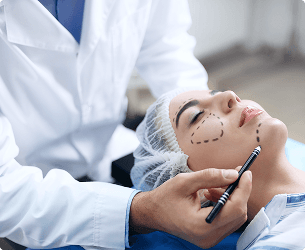
- Marking: On the day of surgery, the surgeon will mark the specific areas of your body to be treated.
Care During the Procedure
- The specifics of the procedure depend on the technique used and the extent of treatment.
- Anesthesia: Can be local anesthesia, intravenous sedation, or general anesthesia, depending on the amount of fat being removed.
- The Process: The surgeon makes small, inconspicuous incisions in the targeted areas. The tumescent fluid is infused. The cannula is then inserted and moved strategically to break up and suction out the fat.
- Patient Role: The patient is under anesthesia and feels no pain during the procedure.
- Duration: The length of the surgery varies widely, from 1 to 4 hours or more, depending on the number and size of areas being treated.
Care After the Procedure
- Recovery and diligent aftercare are crucial for achieving the best results and minimizing risks.
- Immediate Aftercare:
- You will be placed in a compression garment to reduce swelling, support the new contours, and help the skin adhere to its new shape. This must be worn as directed for several weeks.
- Drainage: Fluid may drain from the incisions for a few days; this is normal.
- Pain Management: Pain, soreness, and swelling are expected and can be managed with prescribed medication.
- Activity: Light walking is encouraged to promote circulation, but strenuous activity must be avoided for several weeks.
- Recovery Timeline:
- Most swelling and bruising subside within a few weeks, but residual swelling can take several months to fully resolve.
- Initial results are visible once the swelling goes down, but the final contour will emerge over 3-6 months.
- Follow-up: Attend all scheduled post-operative appointments so your surgeon can monitor your healing.
- Long-Term Results & Maintenance:
- The results are permanent because fat cells are removed. However, the remaining fat cells can still expand if you gain significant weight.
- Long-term success depends on maintaining a stable weight through a healthy lifestyle with a balanced diet and regular exercise.
- Weight gain can alter the results and cause fat to deposit in untreated areas.
- Disclaimer: This information is for educational purposes only. Individual results vary. A consultation with a board-certified plastic surgeon is necessary to determine if you are a candidate for liposuction and to discuss the specific risks and benefits based on your individual anatomy and goals.
Eligibility
- Good candidates for liposuction are:
- Adults within 30% of their ideal weight who have firm, elastic skin and good muscle tone.
- Healthy individuals without serious medical conditions that could impair healing.
- Non-smokers or those who can stop smoking well before and after surgery.
- People with realistic expectations about what the procedure can achieve.
- Those bothered by pockets of fat that are resistant to diet and exercise.
- Thorough preparation is key to a safe surgery and optimal outcome.
- Consultation: A detailed discussion with the plastic surgeon about goals, desired areas for treatment, and the various techniques. The surgeon will evaluate your skin quality and fat distribution.
- Medical Evaluation: A review of medical history, medications (especially blood thinners), and allergies. Pre-operative lab tests may be required.
- Preoperative Instructions:
- Stop smoking and avoid certain medications and supplements (e.g., aspirin, NSAIDs, herbal remedies) that can increase bleeding.
- Maintain a stable weight before surgery.
- Arrange for help at home for the first few days and for transportation to and from the surgical facility.
- Marking: On the day of surgery, the surgeon will mark the specific areas of your body to be treated.
Featured Specialities
Our Speciality Services
Plastic Surgery

Our Department of Plastic, Reconstructive & Microvascular Surgery offers comprehensive care for both functional and cosmetic needs, handling routine aesthetic procedures as well as complex reconstructions that other centres may refer to. Our surgeons are trained in microvascular “free tissue transfer” for head and neck reconstruction. We treat congenital differences, trauma and burns, cancer-related defects, hand conditions and complex vascular problems, and provide a full suite of cosmetic options from rhinoplasty and eyelid surgery to liposuction and non-surgical skin treatments. Supported by a craniofacial unit, dedicated burn services, lymphedema care and specialist operating theatres, the team works closely with oncologists, ENT, maxillofacial and rehabilitation specialists to plan each case.


More from KIMSHEALTH