Rhinoplasty (Nose Job)
Care Before the Procedure
- Consultation: Detailed discussion with the surgeon about goals, options, and limitations. Computer imaging may be used to preview potential results.
- Medical Evaluation: Review of medical history, allergies, current medications (especially blood thinners), and any previous nasal surgeries or injuries.
- Preoperative Instructions:
- Avoid smoking and anti-inflammatory drugs (e.g., aspirin, ibuprofen) for several weeks before surgery to reduce bleeding risks.
- Arrange for someone to drive you home and assist you during the first 24–48 hours after surgery.
- Fasting (no food or drink) for at least 8 hours before the procedure if general anesthesia is used.
Care During the Procedure
- Anesthesia: Usually performed under general anesthesia or local anesthesia with sedation, depending on complexity.
- Process: The surgeon makes incisions, reshapes bone and cartilage, may use cartilage grafts for support or structure, and closes incisions.
- Internal splints or nasal packing may be placed if the septum was corrected.
- Duration: 1.5 to 3 hours, depending on the extent of work required.
- Setting: Typically performed in a hospital or accredited outpatient surgical facility.
Care After the Procedure
- Immediate Recovery (First Week):
- A splint is placed on the nose to protect its new shape and reduce swelling.
- Mild pain, swelling, bruising (especially around the eyes), and nasal congestion are common.
- Sleep with your head elevated to minimize swelling.
- Avoid blowing your nose, strenuous activities, and bending over.
- Follow-Up Appointments:
- The splint and any sutures are usually removed within 5–7 days.
- Swelling and subtle shape changes will continue to improve over several months.
- Long-Term Recovery:
- Final results may take up to a year to fully manifest as swelling gradually subsides.
- Protect your nose from sun exposure and avoid contact sports or activities that could injure it.
- Attend all scheduled follow-ups to ensure proper healing.
- Results and Satisfaction:
- Most patients are very satisfied with the functional and aesthetic outcomes.
- Minor touch-up procedures are occasionally needed for refinement.
- Note: This content is intended for patient education. Individual results and recommendations may vary. A detailed consultation with a qualified surgeon is essential.
Eligibility
- Rhinoplasty may be suitable for individuals who:
- Are dissatisfied with the size, shape, or symmetry of their nose.
- Have a nose that is too large, wide, droopy, or upturned.
- Want to correct a nasal hump, wide nostrils, or a bulbous tip.
- Experience breathing difficulties due to a deviated septum or nasal valve collapse.
- Wish to repair nasal defects from injury or previous surgery.
- Are in good general health, do not smoke, and have realistic expectations about results.
- Have completed nasal growth (usually by mid-teens for girls and slightly later for boys).
- Consultation: Detailed discussion with the surgeon about goals, options, and limitations. Computer imaging may be used to preview potential results.
- Medical Evaluation: Review of medical history, allergies, current medications (especially blood thinners), and any previous nasal surgeries or injuries.
- Preoperative Instructions:
- Avoid smoking and anti-inflammatory drugs (e.g., aspirin, ibuprofen) for several weeks before surgery to reduce bleeding risks.
- Arrange for someone to drive you home and assist you during the first 24–48 hours after surgery.
- Fasting (no food or drink) for at least 8 hours before the procedure if general anesthesia is used.
Featured Specialities
Our Speciality Services
Plastic Surgery

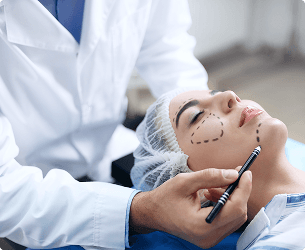
Our Department of Plastic, Reconstructive & Microvascular Surgery offers comprehensive care for both functional and cosmetic needs, handling routine aesthetic procedures as well as complex reconstructions that other centres may refer to. Our surgeons are trained in microvascular “free tissue transfer” for head and neck reconstruction. We treat congenital differences, trauma and burns, cancer-related defects, hand conditions and complex vascular problems, and provide a full suite of cosmetic options from rhinoplasty and eyelid surgery to liposuction and non-surgical skin treatments. Supported by a craniofacial unit, dedicated burn services, lymphedema care and specialist operating theatres, the team works closely with oncologists, ENT, maxillofacial and rehabilitation specialists to plan each case.


More from KIMSHEALTH