Obstetrics and Gynecology
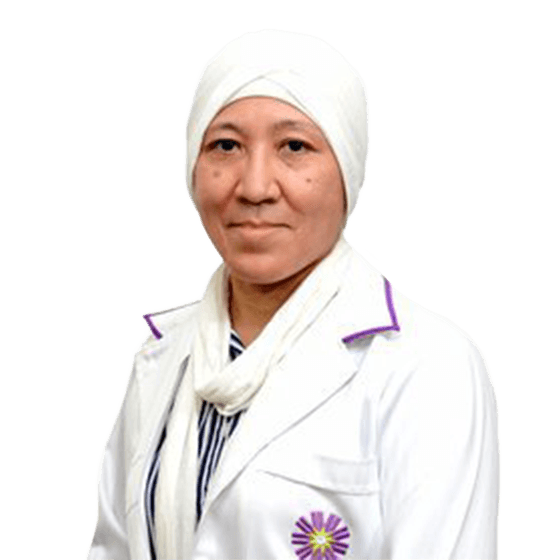
Dr. Siti Saleha Yusof
Consultant, Obstetrics and Gynecology
About
Dr. Siti Saleha Yusof graduated from the University of Aberdeen, Scotland, in 1992 with an MBChB degree. I am currently a member of the International Society of Ultrasound in Obstetrics and Gynaecology (ISUOG). I obtained the Arab Board of Specialization in Obstetrics and Gynecology (ArBOG) in 2009 and earned the MRCOG qualification in 2015.
Education & Training
- Scottish Higher Certificate : Ayr college, Ayrshire Scotland 1986 – 1987
- Aberdeen University Medical school : Aberdeen Scotland 1987 – 1992
- Aberdeen Royal infirmary : 1 year JHO ( Junior house officer ) 1992 -1993 prior to registration with GMC
- SHO ( Senior house officer) training years : OB / GYN
- Liverpool Maternity hospital ( Liverpool Women’s hospital ) : Liverpool UK 1993 – 1994
- Leicester Royal infirmary : Leicester UK 1995 – 1997
- Derby Royal infirmary : Derbyshire UK 1997 – 1998
- RIPAS hospital : Brunei 1998 – 2002 OB/ GYN
- Salmaniya Medical Complex : Bahrain 2002 – 2011 OB/GYN
- Royal Bahrain Hospital : Bahrain May 2011 – to date OB/GYN Consultant
Clinical Expertise & Procedures Offered
- ANTE – NATAL CARE : from early pregnancy to delivery in both low and high risk pregnancies ( singleton or twin). Delivery options – normal or operative ( Caesarean sections ) and VBAC ( vaginal birth after caesarean section )
- FAMILY PLANNING :
- Contraceptive pills / IUCD ( intra uterine device ) / Implants
- CERVICAL CANCER SCREEN
- BARTHOLIN CYST – Marsupialisation
- CERVICAL INCOMPETENCE – cervical cerclage
- MISCARRIAGE – Medical treatment / Surgical intervention
- High-risk Obstetrics (Integrated Prenatal & Postnatal Care)
- Normal & C-Section Deliveries
- Diagnostic Hysteroscopy & Colposcopy
- Menopause
- Vulval Disease
- Polycystic Ovary Syndrome
- Surgical Treatments for Gynecological Issues
- Contraceptive pills / IUCD ( intra uterine device ) / Implants
Dr. Siti Saleha Yusof graduated from the University of Aberdeen, Scotland, in 1992 with an MBChB degree. I am currently a member of the International Society of Ultrasound in Obstetrics and Gynaecology (ISUOG). I obtained the Arab Board of Specialization in Obstetrics and Gynecology (ArBOG) in 2009 and earned the MRCOG qualification in 2015.
Conditions treated
Irregular menstruation
Irregular menstruation is characterized by abnormal cycle length, frequency, or bleeding patterns. Common causes include thyroid disorders, polycystic ovary syndrome (PCOS), extreme weight changes, perimenopause, and stress. Symptoms often involve missed or frequent periods and spotting between cycles. Diagnosis typically includes pregnancy testing, hormonal evaluation (TSH, prolactin), and pelvic ultrasound. Complications can include anemia from heavy bleeding or infertility due to ovulatory dysfunction. Management focuses on regular cycle monitoring and treating underlying hormonal or structural causes to restore normal menstrual function and overall reproductive health.


Postnatal Care / Postpartum Care and Birth Control Methods
Care provided to the mother and newborn immediately after delivery. Supports recovery, breastfeeding, and family planning.
High-risk Pregnancy Management
Specialized care for pregnancies with increased risk to the mother or the baby. Focused on close monitoring, early detection, and timely interventions.
Antenatal Check-up
Routine medical evaluation of pregnant women throughout gestation. Ensures healthy progress of the mother and the fetus. Detects early complications and guides interventions for optimal outcomes.
Vulvitis, Vaginitis and Cervicitis
Vulvitis, vaginitis, and cervicitis are inflammations or infections of the external and internal female genital tract. Common causes include Candida, bacterial vaginosis (BV), Trichomonas, and irritants, often worsened by poor hygiene. Symptoms include itching, abnormal vaginal discharge, odor, and postcoital bleeding in cervicitis. Diagnosis involves vaginal swabs, microscopy, and pH testing. Untreated infections can lead to chronic inflammation and increase the risk of pelvic inflammatory disease (PID). Management focuses on infection treatment, avoiding irritants, maintaining hygiene, and practicing safe sexual behavior to prevent complications.
Urinary Tract Infection (UTI) / Acute Vaginitis
Urinary tract infections (UTIs) and acute vaginitis are infections of the urinary or vaginal tract. UTIs are most commonly caused by E. coli, while vaginitis may result from Candida or bacterial vaginosis (BV). Risk factors include poor hygiene and sexual activity. Symptoms include burning during urination, increased frequency, and abnormal vaginal discharge or odor. Diagnosis involves urine analysis, culture, and vaginal swab microscopy. Management includes hydration, urination after intercourse, and appropriate antibiotic or antifungal therapy to prevent complications such as pyelonephritis or chronic infection.
Screening for Genital Tract Malignancy (Pap Smear, etc.)
Screening for genital tract malignancy, including Pap smear and HPV testing, is essential for the early detection of precancerous cervical lesions, helping prevent progression to cervical cancer. Risk factors include human papillomavirus (HPV) infection, smoking, and multiple sexual partners. Early stages are usually asymptomatic, while later signs may include abnormal bleeding or unusual discharge. Diagnosis involves Pap smear, HPV testing, and colposcopy if indicated. Prevention relies on regular screening, HPV vaccination, and practicing safe sexual behavior to reduce the risk of cervical malignancy.
Salpingitis / Oophoritis
Salpingitis and oophoritis are infections of the fallopian tubes and ovaries, commonly caused by untreated sexually transmitted infections (STIs) or ascending bacterial infections from the lower genital tract. Symptoms include pelvic pain, fever, and adnexal tenderness. Diagnosis involves pelvic ultrasound, cultures, and NAAT testing for STIs. If untreated, these infections can lead to serious complications such as tubal blockage, tubo-ovarian abscess, and infertility. Early antibiotic therapy and practicing safe sexual behavior are essential for effective treatment and prevention.
Polyps in genital tract
Polyps in the female genital tract are benign growths that develop in the uterine or cervical lining, often influenced by estrogen stimulation or medications like tamoxifen. While small polyps may be asymptomatic, larger ones can cause irregular menstrual bleeding or abnormal vaginal discharge. Diagnosis involves ultrasound and hysteroscopy. Management includes hysteroscopic removal and histopathology evaluation to rule out malignancy. Early detection and treatment prevent persistent bleeding and minimize the rare risk of cancerous transformation, ensuring reproductive and overall gynecological health.
Perimenopausal & menopausal symptoms
Perimenopause and menopause are natural hormonal transition periods in women that lead to the permanent cessation of menstruation. These changes occur due to ovarian aging or surgical removal of the ovaries. Common symptoms include hot flashes, mood changes, irregular cycles, and vaginal dryness. Diagnosis involves clinical evaluation and measurement of FSH levels, with bone density assessment (DEXA) when needed. Management focuses on hormone replacement therapy (HRT) when indicated, along with calcium and vitamin D supplementation, regular exercise, and lifestyle measures to prevent complications like osteoporosis and urogenital atrophy.
PCOD & Infertility
PCOD-related infertility is caused by anovulation, a common feature of Polycystic Ovarian Disease (PCOD/PCOS), leading to difficulty conceiving. Women may experience irregular menstrual cycles, hormonal imbalances, and metabolic disturbances. Major risk factors include insulin resistance and obesity. Diagnosis involves assessing PCOS criteria, ovulation tracking, and hormonal profiling. Untreated cases can result in persistent infertility and metabolic syndrome. Management focuses on lifestyle modification, ovulation induction, and metformin therapy in insulin-resistant women to restore ovulation, improve fertility, and reduce long-term health risks.
PCOD / Polycystic ovarian syndrome (PCOS)
Polycystic Ovarian Syndrome (PCOS) is a hormonal disorder causing irregular ovulation, hyperandrogenism, and polycystic ovaries. It commonly affects women of reproductive age and can lead to infertility and metabolic complications. Causes include insulin resistance, obesity, and genetic predisposition. Symptoms may include irregular periods, acne, excessive hair growth, weight gain, and difficulty conceiving. Diagnosis involves hormonal profiling, including LH/FSH ratio and testosterone levels, along with pelvic ultrasound. Management focuses on weight management, healthy diet, medical therapy such as metformin, and hormonal regulation to reduce complications.
Pap Smear & Cervical Screening
Pap smear and cervical screening are routine procedures to detect abnormal cervical cells and human papillomavirus (HPV) infection. These tests help identify precancerous changes early, allowing timely intervention to prevent cervical cancer. Risk factors include HPV exposure, early sexual activity, and multiple sexual partners. Most women remain asymptomatic. Diagnosis involves Pap smear and HPV co-testing. Prevention focuses on following regular screening schedules, receiving HPV vaccination, and practicing safe sexual behavior to reduce the risk of undetected cervical abnormalities and progression to cervical cancer.
Ovarian cysts
Ovarian cysts are fluid-filled sacs on the ovaries that may be functional or pathological. They commonly arise from hormonal fluctuations, endometriosis, or fertility treatments. Many cysts are asymptomatic, but larger cysts can cause pelvic pain, bloating, or sudden severe pain if rupture or torsion occurs. Diagnosis is made primarily via pelvic ultrasound, with CA-125 testing for complex cysts. Management involves regular monitoring for small cysts and surgical removal for large, persistent, or symptomatic cysts to prevent complications such as torsion, rupture, or infertility.
Menstrual & hormonal disorders
Menstrual and hormonal disorders are conditions where disturbances in menstrual cycles or hormone levels affect ovulation and reproductive health. Common causes include hormonal imbalances (thyroid, prolactin, estrogen/progesterone), stress, obesity, excessive exercise, PCOS, and perimenopause. Symptoms may involve irregular or missed periods, heavy or light bleeding, mood swings, acne, and hair changes. Diagnosis includes hormonal profiling, pelvic ultrasound, and menstrual diary tracking. Management focuses on lifestyle modifications, stress control, balanced diet, and supervised hormonal therapy to prevent complications such as infertility, anemia, or endometrial hyperplasia.
Fibroid uterus
Fibroids are benign tumors of the uterine muscle that can cause heavy menstrual bleeding, pelvic pressure, and reproductive issues. Their growth is influenced by hormones such as estrogen and progesterone, and risk factors include family history and obesity. Many fibroids are asymptomatic, but larger ones may cause discomfort or urinary symptoms. Diagnosis is primarily by pelvic ultrasound, with MRI for complex cases. Management includes monitoring small fibroids and medical or surgical treatment when symptoms or complications arise, such as anemia or fertility problems.
Female pelvic inflammatory diseases
Pelvic Inflammatory Disease (PID) is a broad term for inflammation of the female pelvic organs, including the uterus, fallopian tubes, and ovaries, usually caused by infection. Most cases result from sexually transmitted infections (STIs) and are more likely with poor genital hygiene. Common symptoms include pelvic pain, abnormal vaginal discharge, and fever. Diagnosis relies on clinical assessment and ultrasound. Prompt antibiotic treatment, partner screening, and patient education are essential to prevent complications such as tubal scarring, chronic pelvic pain, and infertility.
Female genital tract infection (PID)
Pelvic Inflammatory Disease (PID) is an infection that ascends through the female reproductive tract, affecting the uterus, fallopian tubes, and ovaries. It is most commonly caused by sexually transmitted infections such as Chlamydia and Gonorrhea, with risk factors including multiple sexual partners and poor genital hygiene. Symptoms include pelvic pain, fever, and abnormal vaginal discharge. Diagnosis is made via pelvic exam, NAAT testing for STIs, and ultrasound when needed. Early treatment prevents serious complications like infertility, ectopic pregnancy, and abscess formation.
Endometriosis
Endometriosis is a chronic condition where endometrial tissue grows outside the uterus, often on the ovaries, fallopian tubes, or pelvic lining. This ectopic tissue responds to hormonal cycles, causing pain, inflammation, and sometimes infertility. Risk factors include retrograde menstruation and genetic predisposition. Symptoms typically include severe menstrual cramps, painful intercourse, and difficulty conceiving. Diagnosis involves ultrasound for endometriomas, with laparoscopy providing definitive confirmation. Management focuses on hormonal therapy, pain control, and surgical removal in severe cases to reduce symptoms and prevent complications.
Endometrial Hyperplasia
Endometrial hyperplasia is the abnormal thickening of the uterine lining due to prolonged exposure to unopposed estrogen. It is commonly seen in women with obesity, polycystic ovary syndrome (PCOS), or those receiving estrogen therapy without progesterone. This condition may lead to heavy or irregular menstrual bleeding and can increase the risk of developing endometrial cancer if untreated. Diagnosis involves ultrasound to assess endometrial thickness and confirmation with biopsy. Management focuses on progestin therapy, weight management, and regular screening to prevent complications.
Dysmenorrhea
Dysmenorrhea is painful menstruation caused by uterine contractions or underlying pelvic pathology. Primary dysmenorrhea results from hormonal prostaglandin release, while secondary dysmenorrhea arises from conditions such as endometriosis, fibroids, or pelvic inflammatory disease (PID). Symptoms include cramping pelvic pain, back discomfort, and nausea. Diagnosis is typically clinical, with pelvic ultrasound used for severe or persistent cases. Management focuses on relieving pain with NSAIDs, regulating cycles with hormonal therapy, using heat therapy, maintaining regular exercise, and addressing any underlying pelvic conditions.
Cervical Intraepithelial Neoplasia (CIN)
Cervical Intraepithelial Neoplasia (CIN) is a precancerous condition involving abnormal changes in cervical cells, graded from CIN 1 (mild) to CIN 3 (severe). Persistent infection with high-risk human papillomavirus (HPV) is the main cause. CIN is often asymptomatic and detected through routine screening. Early diagnosis with Pap smear and colposcopy-guided biopsy allows timely treatment. Management focuses on removing high-grade lesions and preventing progression to invasive cervical cancer, along with vaccination and regular monitoring to maintain cervical health.
Bartholin cyst / Abscess
A Bartholin cyst or abscess occurs when the duct of the Bartholin gland becomes blocked or infected. These glands, located on either side of the vaginal opening, normally secrete fluid for lubrication. Obstruction causes fluid accumulation forming a cyst, while infection can lead to abscess formation. Symptoms include painful swelling, discomfort, and sometimes fever. Diagnosis is usually clinical. Management focuses on drainage, often with a Word catheter, and antibiotics if infected, preventing recurrence and further complications.
Infertility / Subfertility
Infertility or subfertility is the inability to conceive after 12 months of regular, unprotected intercourse. It can affect both men and women and arises from a variety of medical, hormonal, and structural factors. Common causes include PCOS, tubal blockages, endometriosis, and male factor infertility. Age, lifestyle, and environmental factors also play a role. Early diagnosis and management improve chances of conception. Treatments may include lifestyle changes, medications, procedures, or assisted reproductive technologies depending on the underlying cause.
Pregnancy-related Conditions
Physiological and hormonal changes occurring during pregnancy. Includes normal adaptations and conditions requiring medical monitoring.


More from KIMSHEALTH