Physiotherapy

About the Speciality
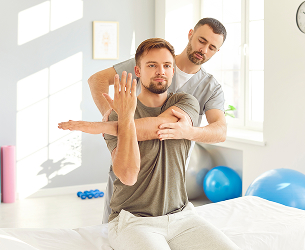
Our Physiotherapy team offers personalized rehabilitation and therapeutic care to help you recover from injury, surgery, pain, and movement limitations. Using evidence-based techniques, we focus on improving mobility, strengthening muscles, restoring function, and reducing discomfort. Whether you’re recovering from an accident, managing chronic pain, or improving athletic performance, our licensed physiotherapists design customized treatment plans to support your healing and long-term physical health.
Relevant diseases
& conditions
Low Back Pain
Low back pain is a common musculoskeletal condition affecting the lower spine. It may result from poor posture, muscle strain, disc problems, or prolonged sitting. The pain can range from mild discomfort to severe, disabling pain that affects daily activities. Most cases improve with rest, physiotherapy, and strengthening exercises. However, chronic low back pain may require structured rehabilitation and lifestyle changes to prevent recurrence and maintain spinal health.


Neck Pain
Neck pain is discomfort or stiffness in the cervical spine region. Often developing due to poor posture, long hours of screen use, muscle strain, or injury. Neck pain may limit movement and sometimes radiate to the shoulders or arms. While most cases improve with rest and exercise, persistent pain may indicate underlying spinal issues. Early intervention, ergonomic correction, and strengthening exercises are key to recovery and prevention.
Cervical & Lumbar Spondylosis
Cervical and lumbar spondylosis refer to age-related wear and tear affecting the spine in the neck and lower back. It involves degeneration of discs, joints, and vertebrae, leading to stiffness and pain. As discs lose hydration and height, nerve compression may occur, causing radiating pain or numbness. It commonly develops with ageing but may worsen with poor posture or repetitive strain. Early physiotherapy, posture correction, and strengthening exercises help manage symptoms and slow progression effectively.
Sciatica
Sciatica is nerve pain caused by irritation or compression of the sciatic nerve, which runs from the lower back down the legs. It often results from a disc herniation or spinal narrowing. The pain may range from mild discomfort to severe shooting pain affecting one leg. Early treatment focuses on relieving nerve pressure and improving mobility. With guided exercises and posture correction, most individuals recover without surgery and regain normal daily functioning.
Frozen shoulder
Frozen shoulder is stiffness and pain in the shoulder joint caused by inflammation of the capsule. Risk factors include diabetes and post-injury or post-surgery immobility. Diagnosis is made through physical examination and MRI. Complications can include prolonged stiffness and muscle weakness. Management emphasizes early mobilization, regular stretching, physiotherapy, and gradual restoration of shoulder motion to reduce pain and prevent long-term functional limitations.
Tennis Elbow
Tennis elbow, or lateral epicondylitis, is an overuse injury affecting the tendons around the elbow. It causes pain on the outer side of the elbow due to repetitive wrist and arm movements. Though common in athletes, it also affects individuals performing repetitive tasks at work. Early management includes rest, strengthening, and activity modification. With proper rehabilitation, pain reduces, and normal arm function can be restored effectively.
Knee Osteoarthritis
Knee osteoarthritis is a degenerative joint disease characterised by the gradual wear of knee cartilage. This leads to pain, stiffness, and reduced mobility. It is common in older adults but may occur earlier due to injury or obesity. As cartilage deteriorates, bones rub together, causing inflammation and discomfort. While it cannot be reversed, proper weight management, strengthening exercises, and physiotherapy significantly reduce pain and improve quality of life.
Sports Injuries
Sports injuries are musculoskeletal injuries that occur during physical activity or sports, affecting muscles, ligaments, tendons, or bones. They commonly result from overuse, poor technique, or inadequate warm-up and can lead to pain, swelling, and reduced performance. Early diagnosis through physical examination and imaging helps guide treatment. Proper management, including physiotherapy, correct technique, and gradual activity progression, can prevent chronic pain, instability, and recurrent injuries, allowing athletes to safely return to their sport.
Ligament Tears (Rehab Phase)
Ligament tears occur when strong connective tissues stabilizing joints are overstretched or ruptured. They commonly affect knees and ankles during sports or accidents. During the rehabilitation phase, the focus is on restoring joint stability, strength, and movement. Controlled exercises help prevent stiffness and muscle weakness. Recovery time varies depending on severity and whether surgery was required. Structured physiotherapy is critical to ensure safe return to daily activities and sports.
Post-Fracture Rehabilitation
Post-fracture rehabilitation focuses on restoring mobility and strength after a fracture. After immobilisation in a cast or surgery, joints may become stiff and muscles weak. Rehabilitation helps regain flexibility, coordination, and functional ability. Early guided movement prevents complications such as joint stiffness or muscle atrophy. A personalized physiotherapy plan ensures safe recovery and gradual return to normal activities while minimizing risk of re-injury.
Post-Surgical Rehab (Orthopedic & Neurological)
Post-surgical rehabilitation is essential after orthopedic or neurological surgeries to restore function and independence. Surgery may correct structural damage but often leads to temporary weakness and stiffness. Rehabilitation focuses on mobility, strength, balance, and coordination. Early intervention reduces complications such as scar tissue formation or muscle wasting. A structured, supervised program ensures safe healing and improves long-term outcomes, enabling patients to return to daily life confidently.
Stroke Rehabilitation
Stroke rehabilitation aims to restore function after a disruption of the blood supply to the brain. Stroke may cause weakness, paralysis, speech difficulty, or balance problems. Early rehabilitation is crucial for maximising recovery potential. Therapy focuses on improving muscle strength, coordination, and independence in daily activities. Recovery varies depending on severity and timing of treatment. Consistent therapy and family support play vital roles in long-term improvement.
Bell’s Palsy Rehabilitation
Bell’s palsy is a temporary facial nerve paralysis causing sudden weakness on one side of the face. It may result from viral inflammation affecting the facial nerve. Individuals may experience difficulty closing their eyes or smiling. Rehabilitation focuses on facial muscle exercises to restore symmetry and prevent stiffness. Most patients recover gradually with proper treatment and therapy support.
Postural Problems
Postural problems occur when the body maintains improper alignment during sitting, standing, or movement. Poor posture places excess strain on muscles and joints, leading to pain and fatigue. It is commonly associated with prolonged screen time and sedentary lifestyle. Over time, imbalances may worsen spinal alignment. Corrective exercises and ergonomic adjustments help restore alignment and prevent chronic musculoskeletal issues.
Pediatric Developmental Delay (Motor)
Pediatric motor developmental delay occurs when a child does not achieve physical milestones at the expected age. This may include delays in sitting, crawling, standing, or walking. Causes vary from neurological conditions to muscle weakness. Early identification is essential to maximize developmental potential. Physiotherapy and early intervention programs focus on improving strength, coordination, and motor skills, helping children achieve greater independence and functional ability.


Procedures & treatments provided
Ergonomic Assessment
Procedure Overview (80–90 words) Ergonomic assessment evaluates workplace or daily activity setups to prevent strain and musculoskeletal pain. The physiotherapist analyses posture, workstation design, repetitive tasks, and movement patterns. Recommendations may include chair adjustments, screen positioning, lifting techniques, and corrective exercises. The goal is to reduce stress on joints and muscles, improve productivity, and prevent chronic pain conditions. Ergonomic modifications help maintain long-term physical health and reduce injury risk.
Pediatric Physiotherapy
Pediatric physiotherapy focuses on improving movement, strength, coordination, and developmental milestones in children. It addresses conditions such as developmental delays, cerebral palsy, muscular weakness, and posture-related issues. Treatment includes play-based exercises, balance activities, stretching, and strengthening programmes tailored to the child’s age and condition. Early intervention promotes better physical development and functional independence. The approach is supportive, engaging, and designed to encourage confidence and active participation.
Stroke Rehabilitation programmes
Stroke rehabilitation programmes focus on restoring mobility, strength, coordination, and functional independence after a stroke. Therapy may include gait training, balance exercises, muscle strengthening, and coordination drills. The programme is individualized based on neurological deficits and recovery stage. Therapists work to improve motor control, speech-related posture, and daily activity performance. Early and consistent rehabilitation significantly improves long-term outcomes and quality of life.
Balance Training
Balance training improves stability, coordination, and body control through targeted exercises. It involves standing drills, dynamic movements, core strengthening, and proprioceptive activities. Balance training helps reduce fall risk and enhances functional performance. It is especially beneficial for elderly individuals, athletes, and patients recovering from injury or neurological conditions. Progressive exercises challenge the body safely to improve confidence and stability during daily activities.
Gait Training
Gait training focuses on improving walking patterns, balance, and coordination in individuals with mobility impairments. It may involve strengthening exercises, balance drills, assistive device training, and posture correction. Therapists analyse walking mechanics to correct abnormalities and improve efficiency. Gait training is commonly used after stroke, fractures, surgeries, or neurological conditions. The goal is to enhance safety, independence, and confidence while walking in daily environments.
Sports Injury Rehabilitation
Sports injury rehabilitation focuses on restoring strength, flexibility, endurance, and coordination after athletic injuries. The programme includes pain management, manual therapy, therapeutic exercises, balance training, and sport-specific drills. Rehabilitation progresses gradually to ensure safe return to performance while minimising reinjury risk. It addresses muscle imbalances, joint instability, and biomechanical issues. The goal is not just recovery but improved performance and injury prevention through targeted conditioning and proper movement correction.
Post-Operative Rehabilitation programmes
Post-operative rehabilitation programmes are structured recovery plans designed to restore strength, mobility, and function after surgery. These programmes are tailored according to the surgical procedure, healing stage, and patient goals. Treatment may include pain management, joint mobilisation, therapeutic exercises, gait training, and gradual strengthening. The focus is to prevent complications such as stiffness or muscle weakness while promoting safe healing. Regular monitoring ensures steady progress toward returning to daily activities, work, or sports safely.
Kinesio Taping
Kinesio taping involves applying elastic therapeutic tape to muscles and joints to provide support without restricting movement. The tape improves circulation, reduces swelling, enhances muscle activation, and provides proprioceptive feedback. It helps relieve pain and supports injured structures during rehabilitation or sports activity. The application technique depends on the specific condition and muscle involved. Kinesio taping is commonly used for sports injuries, postural correction, and joint instability management.
Dry Needling
Dry needling involves inserting thin, sterile needles into trigger points or tight muscle bands to relieve pain and muscle tension. It helps reduce muscle spasms, improve blood flow, and restore normal muscle function. The procedure targets specific areas causing discomfort and may produce mild twitch responses. Dry needling is effective for chronic pain, sports injuries, and myofascial tightness. It is often combined with stretching and strengthening exercises for optimal rehabilitation outcomes.
Electrotherapy (TENS, IFT, Ultrasound Therapy)
Electrotherapy uses electrical or sound wave modalities to reduce pain, promote healing, and improve circulation. TENS helps block pain signals, IFT reduces inflammation and muscle spasm, while ultrasound therapy enhances tissue healing through deep heat stimulation. These modalities are non-invasive and commonly used alongside exercise therapy. Electrotherapy supports faster recovery, decreases swelling, and prepares muscles for rehabilitation exercises. It is widely used for acute injuries, chronic pain, and post-operative recovery.
Therapeutic Exercise Programmes
Therapeutic exercise programmes are structured, goal-oriented physical activities designed to improve strength, flexibility, endurance, coordination, and overall function. These exercises are customised based on the patient’s condition, injury severity, and rehabilitation goals. They may include stretching, strengthening, core stabilisation, resistance training, and functional movement exercises. The programme progresses gradually to ensure safe recovery while preventing re-injury. Therapeutic exercises play a crucial role in long-term pain management, restoring mobility, and improving physical performance.
Joint Mobilisation
Joint mobilization is a gentle manual technique used to improve joint movement and reduce stiffness or pain. The therapist applies controlled, passive movements within the joint’s normal range. It helps restore mobility, reduce inflammation, and enhance joint lubrication. This technique is often used for frozen shoulder, knee stiffness, ankle injuries, and spinal restrictions. Joint mobilization improves function and prepares patients for strengthening and rehabilitation exercises.
Manual Therapy
Manual therapy involves hands-on techniques used by physiotherapists to reduce pain, improve joint mobility, and restore soft tissue function. Techniques include soft tissue mobilisation, stretching, manipulation, and trigger point release. It helps reduce muscle tension, improve circulation, and enhance flexibility. Manual therapy is often combined with exercises for long-term results. It is commonly used for back pain, neck stiffness, joint restrictions, and sports injuries to promote natural healing and functional recovery.
Musculoskeletal Assessment
Musculoskeletal assessment is a detailed evaluation of muscles, joints, ligaments, posture, and movement patterns to identify pain sources and functional limitations. The physiotherapist reviews medical history, examines posture, checks range of motion, muscle strength, flexibility, joint stability, and movement quality. Special orthopaedic tests may be performed to confirm specific conditions. This assessment helps create an accurate diagnosis and a personalised treatment plan aimed at reducing pain, improving mobility, and restoring functional independence safely and effectively.


Available at
Find Us at Our Facilities
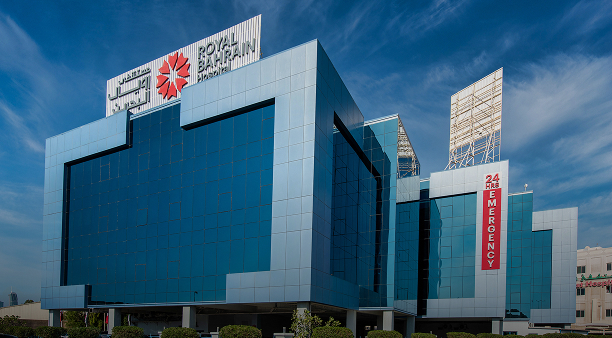
Royal Bahrain Hospital, Salmaniya

Royal Bahrain Hospital, Salmaniya
Orthopedics, Obstetrics and Gynecology, Urology, General Surgery, Cardiology and Plastic Surgery


93
Doctors
77
Beds
15
Services
2011
Established in
More from KIMSHEALTH